Home » He Trained The Rock, Stallone, and Zac Efron: His Warning for Every Entrepreneur Chasing “Making It”
Video version of full episode.
Video version of full episode.
Erin, you have such an amazing story from your origin to the military service to to Hollywood and and fitness and and your faith. Uh I I really want to dig into what the experience was when you were carrying Marines to their grave, what that kind of impact had on you as a young man That was a very interesting duty I had and I call it my most humble duty. So there’s a there’s there’s a point where you can get a little bit complacent with it because you do so many funerals. Yeah. But I always tried to keep my Marines really focused on what exactly we were doing because every single funeral you’re laying someone’s uh family member, love, whatever you want to call it, to rest. and that image is one of the final images that they’re going to have of that person. So, we always strived to do it as perfectly and as honorable as possible. And I took pride in everything that we did. We trained harder and more precise, I believe, than any other service. And we had to be stronger because we used less less men on on the casket. So whereas most other services use eight, we use six. And uh one of the things that we actually do at the hole is once we get to the grave site and we’re over the the the hole, we raise the casket head high as a final salute. Takes a tremendous amount of strength. Yeah. But it’s something that we want to go above and beyond to show honor and respect. So it it impacted me. Yeah, I did um I did funeral services for for uh my grandfathers and um you know when when you do high visibility services and you’re dealing with children who are involved and they they’ve lost their mother or father and they have the opportunity to come and talk to you, the kids. That was probably the one one of the more emotional sides of it. Um, we did a funeral for Mike Span who was the first American casualty in the global war on terror was killed in Afghanistan in Maseri Sharif. And his daughter at the time, very young, I don’t know, five or six, um, came up to me while we were in the basement of the chapel service and asked me to take care of her dad. Tugged on my jacket. So, it’s the little things that make a huge impact and it makes you realize just how impactful what you’re doing really is. My uh my granddad passed a few years ago and had a a military burial and I I remember them giving my dad the flag as they they folded that and that’s still one of his most prized possessions and the impact they’re able to have on those families in those moments making them feel like their loved ones that that sacrifice was was was worth it. Um, when you think back to your military experience, being on a a Navy ship, I think can be kind of isolating. There’s a lot of suffering. You see things that maybe the average person doesn’t see. What do you think that developed in you long term that’s led to the success that you’ve had? The Marine Corps instilled many, many traits and characteristics that I never really knew were inside of me. being a, you know, being that that kid growing up who didn’t really care about anything, had no direction, you know, always thought that you knew better than everyone else. [laughter] And it it came a point where I realized all these things within myself and leadership and belief. I think belief is probably one of the biggest things that I’ve taken away from the Marine Corps. Um, but you just you you form this new sense of self. And a lot of people join the military for different reasons. For me, going through everything that I went through, uh, made me realize just how fragile life is. um things to not take for granted, but also too um just really trying to live a a purpose-filled life. And that was the hardest thing coming out of the military, coming back to the civilian way of life is really trying to redefine what that looks like because in the military everything’s structured. you have your plan of the day. You have your, you know, your goals, your missions, whatever you want to call it. And when you get into the real world, that’s up to you to figure all that out now by yourself. And that’s where a lot of uh I think a lot of veterans hit a hit a spot where they’re not sure how to navigate through, especially in today’s society, because it’s just so it’s so polluted and so toxic and so hateful. I see uh a lot of my friends that that served others, there’s this identity that you have in the the military. When you leave, there’s a bit of an identity crisis. Um I also think the camaraderie that you share in in the military is really special and when you kind of lose that, it can be really challenging and isolating. I know a lot of veterans really struggle when they get [clears throat] home with substance abuse, homelessness. Uh I I know your story. You had some challenges as a young man when you came back. There were some things that you went through in New Orleans. Can you share that story? Mhm. Yeah. It was uh the the identity piece is a is a big a big thing that many struggle with because when you serve for so long or when you serve with a purpose and you you you leave that that that navigating through what the real world looks like and where you fit in. Yeah. Becomes a challenge. And that’s where the uh the identity crisis really becomes detrimental to your success forward.
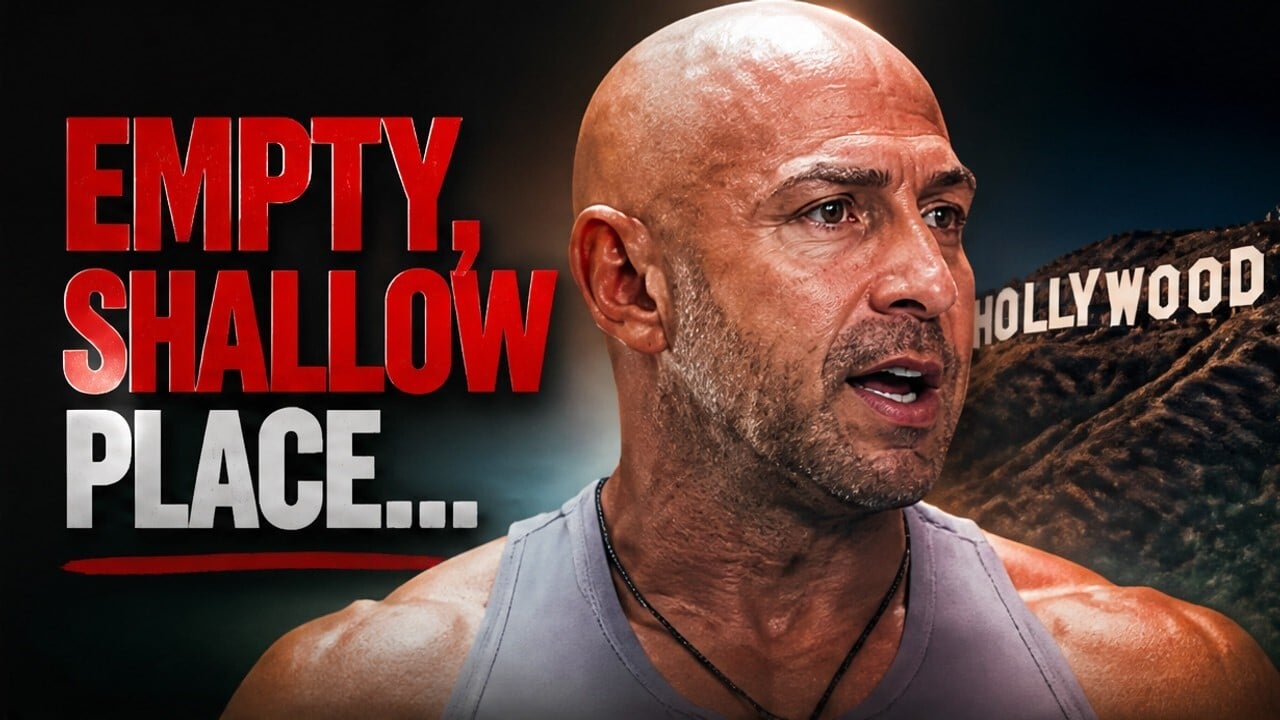
And that’s what I dealt with coming back was trying to make sense of what I should be doing. Mhm. Um I I I moved to New Orleans kind of on a leap of faith to do some work that really didn’t pan out the way I had planned and met some bad people along the way and ultimately led me down a bad road. Yep. That put me in a position where I I lost everything. I filed for bankruptcy. I was living out of my car. And uh that was a very that was a very challenging point in time because there was uh there were several moments where I just didn’t want to go on anymore. It would have been much easier to just take the easy route out. Um but thinking back on everything that I had went through, the fact that I do have a family, uh it would have been a very selfish, irresponsible thing to do. So, I kind of dug into my purpose as I was redefining what all that was, and that was the fact that I’m here. I’m healthy. Um, I’m not in the position that I would like to be in from a lifestyle perspective, you know, homeless and broke. Yeah, it’s not a [laughter] good feeling. Not ideal. Uh but at the same time it’s it’s rock bottom will show you who you really are and how you can navigate through the toughest times in your life. And for me that literally launched me into something that I could have never imagined and that’s you know being in Hollywood. So I just ended up turning to the one thing that’s been the anchor of my life which is fitness. And it’s never something I ever wanted to share with anybody, but out of desperation, I did it. And it opened up doors that uh, you know, bring me on to podcast. And people, you know, we talk about it now because it’s a thing. And and people along the way have asked me how I got through it. And it really was just one step at a time, believing in myself that I could I could get through whatever. and and at that point in time I I I still wasn’t uh I still wasn’t immersed in my faith like I am now. So, but also too looking back on it, I know God had a hand in it. Can use those experiences to really shape you. I look up to Victor Frankle, man’s search for meaning. He talks about people find meaning through suffering, love, and service. And so God can use an experience where you have intense suffering to then give you your your testimony. So you can understand and be empathetic towards others who may be going through something. And as you grow, you have this incredible experience where you can sew into their lives, meet them where they’re at, and tell them that it’s going to be okay. And I love how you you you latched on to to fitness. And I I think you have a couple pretty incredible stories on some chance encounters with uh The Rock and Zack Efron that kind of launched your Hollywood career. How did you meet Zack Efron? Hey, real quick before we get back into it, we just opened up a few new slots [music] for clients at Parkland Capital Partners. And if you’re running a lower middle market business doing 700,000 to 7 million in [music] IBIDA and you’re seriously starting to think about your exit or how to scale to the next level, tap the link in the show notes. Let’s talk back to the show. So in my in my getting out of the dark the darkness the the you know the bad situation I was in I got certified as a personal trainer and started uh I basically came up with the idea that I’m going to use bodybuilding as a means of structure to give me something to wrap my mind around that can keep me moving forward. Um and I said I was going to win the Mr. New Orleans Regional Bodybuilding Show. I was going to promote health and fitness around the city. And uh I did both of those and my name started circulating. I I got certified as a trainer and used uh this 24-hour gym in Uptown New Orleans, which at the time I didn’t know. Uh more films and TV shows were being shot there than anywhere else really. Yes. So, was I I say it’s a destiny thing, a God’s plan thing, but [snorts] um I had my Marine Corps collage type deal on the on the wall, my as my personal trainer photo, and Zach came in with uh one of his trainers to do a movie called The Lucky One, which is about a Marine Iraq veteran. So, he saw my picture on the wall and we started talking. Next thing you know, they brought me to set. I met the director and producer and they said, “We would like you to be his tech adviser and help him um act like a marine, what what a marine would do in these scenarios, how how he would act.” And that was kind of our entrance into it. And then we worked together for several years after that. And that was kind of my entrance into it. I met some TV directors, some producers. Um but I got a lot of notoriety from the big uh the big names, you know, Stallone and and The Rock and Jamie Fox and Brolan. I I just it’s crazy to think back on it when I talk about this because it’s uh it’s still kind of surreal to me that all of it just happened, you know, but at the same time uh Hollywood is very in my opinion very empty void shallow place.
So as cool as it is when you’re done with it and you go home it’s like you know what is that really doing for your for your purpose for your life? And for me it wasn’t doing anything. It was uh it started affecting my ego in a way I didn’t really like. And when you think back to your your time in Hollywood, I [clears throat] I have heard and seen it seems like a place where so many people are chasing this dream and there’s these gatekeepers that are the Harveys of the world and it creates this really hollow shallow place with a lot of people that seem hurt inside that are chasing that fulfillment. There’s also probably not much of a a spiritual connection uh in that that city. Very little. Do you think that had something to do with driving you towards God? You know, uh I would say subconsciously probably yes, but not being aware what was actually going on. I’ve just always prided myself on trying to be a good person, doing the right thing. uh helping other people. Even when I had nothing, my time was something that I could give. Uh granted, I hadn’t always made the best decisions along the way. You know, I’ve made mistakes. I’ve hurt people who were close to me. And uh co was the year that really removed me from Hollywood. And I think that was all by design. It brought me into the business world, which I was completely foreign to. I was military straight into entertainment. Yeah. I had no sense of, you know, business acrement. I I knew nothing about business. But when COVID hit, it made me realize everything I was doing in Hollywood was revolved around Hollywood. I had nothing for myself. So once that was removed, it exposed everything. And that’s when I that’s when I started to uh get into the the the coaching space. But the my faith, back to your question, I kind of got off track there, but uh my faith is very very recent. Um I I did a I did a retreat down in Tijana, Mexico doing Ibeane. You did I? Yeah. And it it uh it really opened me up and I say healed me in a way that there’s no there’s there’s nothing else I can think of that would have allowed me to to leave there as a new person. Like the old person I was is back there in Tijana, Mexico. But as part of coming out of that experience, [snorts] I learned some of my shortcomings, which is, you know, love, the the ability to love and and to be loved. Mh. And also too, really really um paying more attention to self-worth. Like every every I’m I’m so hard on myself. Every anyone who knows me will tell you that uh I don’t I don’t celebrate anything. I’m just I’m just go go go go go go go go. And ultimately that led me to wanting a closer relationship to God. So this is where my buddy uh told me God will use any means necessary to pull you closer to him. And that’s uh that’s this new this new chapter that I’m in right now. Uh very very very profound. But the Ibug gain plant medicine is uh I don’t want to say it’s a it’s a miracle cure, but it will show you [snorts] things and make you feel ways and allow you to put pieces of your life together that you wouldn’t be able to achieve any other way. It’s incredible to see the forward progress that we’ve had. Uh Governor Gabbat uh with Joe Rogan. Yes, it was Rick Perry. Yeah, Rick Perry. Thank you. So, I actually met him down in Tijana. Really? Yeah. He was doing um he was doing his third um medicine uh his third ibeane journey and it was really cool to hear him talk about it because he’s talking about it from a scientific place where he’s understanding just how uh just how incredible the results are. I mean he’s he did when I was there he was doing his third one but uh after two doing brain scans his prefrontal cortex has has improved by close to 30%. [snorts] So the the neuro regenerative properties of ibeane are mind-blowing. Not to mention the the the addictive properties that can get people off of drugs. Yeah. The trauma. um but also from the neurenerative aspects of uh you know people who have Parkinson’s, Alzheimer’s, dementia, things like that. So I was I’m I’m really happy to see that things are turning to a place where it’s getting more recognition now. And at the end of the day there’s only there’s only so like you can only hide it for so long before people like Joe Rogan, you know, it’s finally exposed that it does work. It’s not just doing drugs and that’s really not even I don’t even like calling it a drug because it’s a medicine. It is a medicine and I don’t think we’ve ever seen anything from the pharmaceutical industry that’s helping veterans from PTSD, depression, anxiety, addiction, uh to to recover like this. And so I’m very excited that people hopefully here in the next few years won’t have to go down to Mexico and can do things here. And um I I like how you
you talked about your your experience. I think a lot of people who are high achievers, the fuel behind that is this negative energy. It’s I’m not enough. I can relate to that. You’re always on to the next thing. You don’t stop and and celebrate. And you’ve been able to use that as a positive fuel to achieve some amazing things. But you get to a certain point where what’s the point of success if you’re not happy and you don’t feel love and you’re not able to connect with people. And so this year for me has been a lot of uh realizing that I’ve been white knuckling life and I need to open up and just uh kind of surrender aspects and that um I had a a verse I wanted to share with you that I think is kind of timely on this. Uh 1 Corinthians 13:7 love never gives up. Love love love never fails. Is always hopeful and endures through every circumstance. When I think about that, that is that divine love from God that every aspect of your life when you look back, he was there moving you forward. And it’s fun to see your your story here recently really embracing that. And I I see that with your work and this this passion for for working with with veterans and and young men with transcendent health and how impactful your fitness has been to your success and sharing that with others. Um if you think back to your self in your 20s when you’re struggling, what advice would you give your 20-year-old self today? Enjoy life more. Stop taking it. Stop taking everything so seriously and uh make sure that you don’t take your eyes off your family because it’s time you’ll never get back. Amen. Prioritize those those relationships. No one’s ever on their deathbed saying I wish I worked more. It’s I wish I spent more time with the people that I love. Yeah. I I look back and I don’t want to say I regret um because I don’t like using the word regret, but I wish I would have acknowledged the more important things in life rather than what I was placing worth and importance on which was really meaningless. And and what you were saying like when I when I look back to all the places God’s been had he’s had his hand in my life. I mean, 2017, I I renamed [clears throat] my company because I had to uh and the film industry stopped taking LLC’s. I I created an escorp and renamed it 2017, not realizing the the the name that I created, right? It was called Believe 33. So things like that when I look back on make sense now and I’m putting all the pieces together now. I’ve been able to create a brand new business that is a first of its kind in the fitness industry. I’m in the process right now of uh doing some deals with some very big companies um to implement this into their um into the structure of their company to help their employees. And uh you know there’s there’s main in mainstream fitness when you think about uh how to transform yourself it’s all wrapped around the same vanity metrics. It’s all It’s all wrapped around appearance. Mhm. [clears throat] But at the end of the day, there’s a couple crucial pieces of transformation that mainstream fitness misses, which is why mainstream fitness only touches a microscopic demographics of people. And those people are the ones who already know about fitness. They’re just trying to enhance their bodies even more. Hence, going back to the vanity metrics. And so what I created is a new model that’s meant for everyone outside of fitness. I’m not interested in working with anyone in the fitness industry. I’m interested in tack and I say tackling because what I’ve what I’ve created is going to require a lot of work. But it touches people who don’t know anything about fitness. I’m working with a guy right now overweight. Yeah. International speaker. Amazing man. thought he really understood health and as he started to tell me about it was like wow you it’s you really don’t know much. Um so anyway kind of got off topic there but uh again it every step of my life it’s it’s it’s revolving around creating some type of um environment that is steeped in purpose. And you had these very unique experiences from training the top actors and athletes in the world, these big names to training people in 36 countries to now working with your average person who doesn’t necessarily have the same resources or or knowledge base or the money to hire a personal trainer uh to work through that. But I I see that mission behind it of these are the people that need it the most. It’ll have the biggest impact. If you can take someone who’s overweight, that affects everything that they’re doing. And if you can get them into healthy shape, they’ll have a bigger impact. Yeah. Uh so I I love that mission. What have you learned scaling your business and that evolution from personal trainer to training in 36 countries to now working with average people improving their health. Scaling is something that I’m I’m still wrapping my mind around. And and the reason why I say that is because I understand how to scale something now, which I’ve learned over the past several years. But at the same time, my goal has never been to create this massive company where I have tons of employees. It’s never been uh a goal of mine. Uh but but I do understand the need because I’m only one person. I only have so much time. And that was something I learned in in Vegas when I after COVID hit and I launched my online coaching was the way I was doing business. I hit this threshold where I just couldn’t take any more people on. Yeah. And that’s where I understood the concept of scale. I’ve only ever done things custom. So, so take so trying to figure out how to take what I do and build it in a way that can help a lot more people was the challenging piece for me because every time I was trying to create something, I want to go so into the weeds on it. But it’s like at some point you you just can’t do that if you’re going to if you’re trying to grow and and help more people. So that’s where there’s different levels to it. Um so it it’s been a huge learning process. Um, I’ve got, you know, massive trust issues because I’ve been burned so many times. So, the people who I do bring into my life now, it’s it’s very very intentional. Um, and it’s by design because I’m not I’m not allowing that to h to happen ever again. Uh, but it’s it’s it’s been interesting. It’s it’s for sure been interesting. At the same time though, uh, the more people you can help, there’s this pay it forward effect. So, by default, if I’m able to change your life and and educate you in so many areas, then you can change your whole family’s life. And then think about the your family who’s people are wa people are ultimately watching everybody. Yeah. And when you take on transformation, because it’s one of the most powerful things someone can do, identity recreation, physical transformation, spiritual, mental, the whole thing. When you’re when you’re transforming, it’s massively noticed and people want to watch it and they want to figure out how you’re doing it because in some place of their life, they need it too. And that’s what I love about the space that I’m in right now is because of how impactful it is and what you said before about um you know being able to help more people and you know when you’re when you’re overweight and chronic like if you’re chronically sick this is the thing where we are right now the new baseline for this country and I I’ll say in many other countries there’s this new baseline of normal and that baseline is chronically sick. Yeah. unhealthy and we’ve become addicts of food. People are dying because of these chronic issues that have to do with food. And it’s a really sad thing to think about when you see someone die because they couldn’t control their ability to not eat certain things. Um but from a from this baseline of being [snorts] chronically sick, unhealthy people, we’re affected neurologically too, right? So people don’t understand the impact of inflammation on the brain and it’s like we’re listening to all the bad stuff. We’re eating all the bad stuff. our mind just starts to live in this negative place which I believe is a big reason why there’s so much negativity in this world. I’m not saying it’s directly because of food. I’m just saying this this constant negativity feedback loop that we live in that becomes almost inescapable. We’re attached to our phones. I mean, anyone who has a phone, if you’ve ever had to put it away for an entire day or, god forbid, something happens to it, it breaks and you don’t have access to it, you realize how connected you are. Yeah. So, there’s just there there’s so many there’s so many layers to what I’m doing in terms of how I’m approaching this new chapter that I’m in. But I I truly believe the more the more you can detoxify your body and become more healthy physically, mentally, spiritually, everything around you changes. You’re going to look at things much differently. You’re going to think back and and question why, how you let that govern your life, how you let that control your life. So, um, yeah, it’s it’s it’s a pretty cool thing to to be into right now, which has tremendous meaning to me, much more than anything in Hollywood could ever have. Um, but there’s, uh, there’s there’s a new journey that I’m on that’s very complicated, but I’m excited to go after
and tackle. I’ve heard you speak a lot about uh energy management and I think that segus really well into protecting the inputs that includes the people you surround yourself with doom scrolling uh includes what you’re reading the food that you’re eating uh how you structure your your day. I want to go through maybe some practical protocols that have really helped you in a number of areas. And let let’s just start with mental clarity. One that’s helped me a ton is very low investment, high return. When I charge my phone outside of my bedroom, it prevents me from doom scrolling for an extra hour before bed. Huge high return. Can you think of a practical uh protocol that you’ve implemented in your life to protect your mentality? And then we can talk about spirituality and fitness. A big one that can help a lot of people when you feel the anxiety coming on, when you feel the irritation coming on, the the the the feeling of being overwhelmed, stop for a minute. Like stop. Take a take a really deep breath. Think about what exactly you’re feeling and why you’re feeling it. But if you give yourself a minute to detach from the emotion that organically wants to come on, whether it’s anger, frustration, whatever it is, if you can if you can take a step back and give it that pattern interrupt, it’s it’ll help a lot because more than likely what’s going to happen is you’ll be able to take that deep breath, you’ll be able to realize that what you’re thinking and what you’re feeling is really not as bad as you think it is. And then [snorts] you can move back into it with a more rational mind. Um, that’s that’s been a a really big one, not only for myself over the years, but uh helping clients with as well. But and also too, I mean, just getting outside, getting some fresh air and going for a walk, getting some sun. Yeah. Yeah. I mean, we sit we sit in uh we sit under lights and in front of in front of screens all day, every day. TVs, computers, you know, fluorescent lights in offices. We were never meant to be stuck in these environments. I have been training my entire life. I’ve been an [clears throat] athlete, workout. I feel like I’ve hit a bit of a plateau with my fitness. I’m trying to look like you, but I don’t have the the mass. Uh, so what would be some practical advice that you’d give me? You’ve you’ve transformed people from your average Joe to The Rock and Hollywood actors that have put on massive amount of weight, lost tons of fat in a very short time. How are you able to do that? and and what how could I try to have a transformation of my own over let’s say the next 6 months if I wanted to put on 20 pounds of of lean muscle uh structured movement and movement means your the cardiovascular um protocols that you have you know what whatever you’re doing for from a from a uh a heart health standpoint right so like zone two zone three there’s high intensity training. There’s there’s low intensity, you know, training or steady state cardio. And uh so being able to modulate between both of those is is highly effective. Being able to have a structured routine to follow for weights and not everyone wants to lift weights, but I do recommend at least once or twice a week to go in and and and focus on hypertrophy because muscle is more important than you can possibly imagine. So, the more muscle you have, the better everything in your body is going to be. Your immune health, your ability to burn fat, your ability to um, you know, eat more of the foods that you want to eat. Um, you know, nutrition is a is a tremendously big one because, uh, right now we’re we’re slaves to convenience and and comfort. If you can if you can if you can take a step out of that and realize that food is really a fuel source and if you can if you can reframe your mind around that and live by let’s just say like an 8020 rule or a 9010 rule. 80% you know really clean. Yep. 90% really clean and 20 or 10% with whatever you want to eat. You can live life, have fun and and stay healthy. Um sleep is a a huge one. Uh, sleep is where all the magic happens, right? It’s when your body’s repairing itself. It’s when your brain’s repairing itself. And we we like to uh use lack of sleep as kind of a badge of honor. Yeah. So, focus on sleep. Uh, regulate your stress. So, if you’re getting up early in the morning, you’re go you’re going to the gym straight out of bed, you’re training fasted, you’re in a caloric deficit, your um your your capacity uh for handling stress is so high that that’s become your new normal and then you’re not sleeping on top of it. So, what you’re doing is you’re stacking stress all day long. Your body’s sending you signals, but you don’t know what those signals are because you’re disconnected from your body. So once you can start to realize, all right, on on the days that I know I’m stressed, that I haven’t slept, those are the days I need to back off of training, I need to make sure I focus on getting to sleep earlier at night. And this is where the concept of sometimes less is more. Um, uh, those I would say those are probably some core ones that could help a lot if you can just dig into those a little bit more. Like do a self audit of your own life and figure out where you’re, you know, where you’re in those those gaps, it’ll help. What’s on your wrist? Is that a whoop or? Yeah, it’s a whoop. Is a whoop. Yeah. Giving yourself data to track, actually being able to see the strain and kind of what zone that you’re in, seeing your sleep performance, how has that affected your workout consistency? I I mean, I geek out on it, right? It’s uh it’s a really cool thing because when something’s off, you you see it. you see it’s off, but [snorts] you can also start to put together the the the pieces of the puzzle. So, you can see what happens when you don’t sleep, when you when you do train too hard and you’re underreovered, when you’ve eaten too little, like all that stuff will show up in your uh in your data. And then when you correct it, it’ll also show up there, too. So, you can kind of see. And I say, uh, you know, when [snorts] you have when you when you have those really good days where the data shows really like you slept good, everything’s everything HRV, everything’s on point, what did you do that day prior? So figure start figuring out those things. Start making that list of all the things that that put your your data in the right place. I just say it’s a it’s it’s a cool tool to have. I I don’t say, you know, put so much stock in it that becomes your life because some people can get overly addicted to the data. I just say use it as as a reference guide. Yeah, I think that’s a good rule of thumb. Uh what I’ve always been fairly lean when I was in high school, I was so skinny and I’ve had to really work hard to keep mass on and I’ve I’ve leveraged supplements like carbolin and dextrin powder for additional carbs. try to hit the rice aggressively. Uh you have some pretty impressive size. You’ve transformed people’s size. When you’re looking at functional lifts, everything from technique to hypertrophy, sets and reps to failure. What are key things that people get wrong? I would think of maybe how quickly someone is doing the motion, time under tension. Uh, I I say from a training perspective, time under tension is a really good key concept, but at the same time, I think explosive lifting has a place. Okay. Um, I think doing slower tempos has a place. It’s using a mixture of all of it. But if there’s if there’s one thing I see people doing wrong, it is uh I call it doing junk volume where it puts you in the place where you’re just kind of mindlessly going through the motions. Mhm. And you’re I mean, you’re just going set after set after set after exercise after exercise after exercise. And then the the the primary thing I see wrong on on nutrition, well, obviously eating the wrong things, but also too is not eating enough. People have the concept that they’re eating enough, and when you [snorts] really break it down, nine times out of 10, they’re not eating enough to support the goals. The nutrition is always going to dictate the training. So you can you can train all day long as much as you want, but if your nutrition is not sound enough to support the training you’re doing, then you’re wasting a lot of time in the gym. And and the older you get, this is where I say less is more because your body needs more time to recover. So, you can’t it’s not a good rule of thumb to automatically assume that you can go in there in your 40s and 50s and train like you trained when you were in your 20s. And and a lot of a lot of people just, you know, have that mindset and want to do it. Me included. Yeah. Um and it’s one thing that I tell a lot of my older clients right now is like back let’s let’s let’s test this. Let’s take the next two weeks. Let’s back off of some of the training. Let’s focus a little more on recovery and sleep. Next thing you know, they’re feeling better. They see their body changing all of the sudden when they’ve been stuck in this plateau. Uh so they’re Yeah. Yeah.
I think about my uh my life habit and environment designs to make things as easy as possible to stick towards the habits are best for me. As the day goes on, it’s easier to eat the cookie and get the junk food. And so for me, meal prepping has been a massive gamecher to sticking to that 80 90% clean diet where if I have healthy food that I just have to heat up, it’s easy to to stick to it. If I have nothing, it’s very easy to go to In-N-Out and and get a three double doubles animal style and and pig out a little bit. Um, when you think about designing environments for for clients or yourself, are are you a big component of meal prepping? Massive. Yeah. What you just said, uh, environment, environment, lifestyle, identity. These are all things that go into one of the main pillars that I have into this new model that I was I was describing to you because that in itself is what starts to tap into some of the missing pieces of why people fail within the realm of transformation is because they’re not productively setting themselves up in a situation that will allow them to maintain progress over the long term. Um don’t think of whatever you’re doing as a short-term thing. Think about everything you’re doing as a lifestyle. So, how do you do that? Well, how figure out how to create days that are repeatable, that work within the realm of the life you’re living. And that the biggest the biggest part of that is meal prep. And meal prep can be taking one day a week, maybe for a few hours, and prepare everything. Tupperware it out, glass wear it out, put some in the freezer, whatever, whatever you need to do. But put yourself in positions that are going to set you up for success rather than always leaving your success to chance because I guarantee it it won’t last long. You might have some short-term benefit, but it won’t last long because at the end of the day, life will always get hectic and out of your control. at some point uh you you you will not have any control over. Think about when you when you travel, when you have those unexpected things that come up during the day that you’re not prepared for, then all of a sudden you’re you’re going through the the fast food places and then you can be what I see a lot too is people will start off really good and then they have that one weak moment and that weak moment becomes a slippery slope. Yeah. And this is where, you know, this this food addiction that I’m talking about is a is a massive hindrance to society today because, you know, these food companies hire food scientists to create foods to get you addicted. And uh it’s it’s a very sad thing to see the state of this country. And um I mean, we have TV shows based around how fat people are. And and and you have this body positivity thing that has morphed into something that originally wasn’t. Andy Fcella talks about it pretty good, but you know, we talk about this body positivity thing, how we’re supposed to, you know, be okay with everyone’s physique or lifestyle, but when you know what you know, and you see someone who is plus-siz, heavy, fat, overweight, whatever you want to call it, you know internally their body is probably not in the in the the shape it needs to be in. Therefore, you see someone who is uh day by day shaving their life down by by days, months, years, the quality of their life, everything. Yeah. But then all of a sudden the GLP1s come out and then everyone’s all of a sudden wanting to lose all this weight. Now we are we are in such a flipped upside down clown world [clears throat] that it makes no sense. And this is another reason why what I’m doing right now is important to me because I want to cut through all the noise. This we’re we’re stuck in this environment where no one knows who to trust. No one knows who to go to, who to believe, and uh I I I would like to just be a reputable source that cuts through the noise, is trustworthy, but also too just makes things easy and fundamental because if you think about the basics, the fundamentals,
you can live your life by those simple things minus the peptides, minus the supplements, minus all the noise, and you will live a very healthy life. You don’t need all the uh the cheat codes. Uh I I think our society has almost intentionally in ways created a a sick population. Um [clears throat] whether that’s profit or inverted incentives. Oh yeah. But I do see people like you that are are are speaking a message of wellness care, the preventative, everything from sunlight, fitness, nutrition, the the the basics. Where do you think supplements and things like peptides have a role once you can get to the place where you’ve changed your lifestyle habits enough that you’re now living a healthy life and you’re getting routine blood work and you’re you’re really seeing where the deficiencies are in your body. That’s where those come in to play and and help. But what’s the sense of getting on all that right out of the gate if you you’re not even living the life that is conducive to health in the first place? It makes no sense. So the lifestyle habit change first is the is the is the starting point is the entry point. And then once you get on that new path, you start feeling better. You’re thinking more clearly. You know that you have control over what you eat now. Um you’re eating protein focused meals. Then this is where the supplements can come in based on the blood work, based on how [snorts] you’re feeling, based on how you’re sleeping. Um, you know, whatever injuries that you might have now that are are more are more noticeable because you you’re more in tune with your body, so you understand what you’re feeling, that’s when these things can help. But for the normal everyday person, they’re they’re irrelevant. and and and I see them trying to be pushed on to normal everyday people who have no business being on them because they haven’t even tackled the main issue which is their lifestyle with peptides. I I think seven of them were were just approved and are going to be start being available in the United States. I see the search of the word peptide becoming more and more relevant. people had no idea what they were a couple years ago. Um, everyone’s [clears throat] talking about them now. Are are there peptides that that you take and that if someone’s really dialed in and they’re really wanting to create that transformation, their diet, their health, everything is on point, um, that you found effective for clients or yourself, whether that’s BCP57, uh, other ones for for muscle growth mass, cutting weight. Yeah, there’s there I mean at the end of the day there they all have I believe a uh a very beneficial value to anyone’s life depending on what you’re what you’re going through and why you would need them, right? Uh I’ve been cycling off and on many of them over the past two years, trying them out, seeing how they work. [clears throat] Um, and at the same time, like right now, I’m taking a break from all of it. And I don’t feel tremendously different. Uh, but, uh, things like BPC I think is uh, gluion. There are there are some core ones that I think can be valuable even for the everyday person. um in terms of uh you know if if you have a surgery or if you have an injury of some sort. There are some some peptides that can help expedite the healing process. Uh and I think a lot of people too are are clueless to what peptides are and thinking that they’re steroids which which they’re not. Um, so once you understand that peptides are things that your your body already recognizes because it already has that function internally, it just helps to expedite the process or produce more of what it already does. Then the more that makes sense, the more a lot of other things start to make sense. So peptides wise, um the healing peptides, the the growth hormone secrets, like they’re just they’re all good, but again, they’re they just have a different place for everybody depending on where you’re at and what your goal is. You know, are you trying to just improve sleep? Are you trying to heal? Are you trying to put more muscle on? Are you trying to lose body fat? And that’s where you have to start figuring out the right ones. And that’s where be can become confusing. And then don’t even get me started on the the reconstitution and dosing because that’s like a whole another language, a whole another subject. Yeah. If you’re planning [clears throat] to look at that, let’s start with a doctor and have them help you. Do it the right way. Don’t don’t don’t you know go over to your neighbor and, you know, listen to his his broc science way of doing peptides. It’s it’s if you want to do it right, it’s best to start with a professional or a clinic. That way everything is medically supervised. It’s, you know, obviously it’s going to be a little bit more expensive, but it’s worth it in the long run. When you think about men, men men’s health, I’ve I’ve seen testosterone levels dive over the last uh several decades, whether that’s microplastics, the food that we’re eating. Are are there things outside of just doing your blood work that that you’ve done to maintain uh hormone health? Well, if if you really want to to to optimize your hormones naturally, you really have to think about going back to the foundational components of what we’ve been talking about, and that’s lifestyle. Yeah. Eat the right foods, high quality single ingredient foods, get sleep, keep your body fat low, exercise hard, um, and ultimately put muscle on because that’s going to be a a huge determining factor of just how healthy your body can actually be. uh there are there are some certain foods that you can eat that might help you know trend in the direction of helping you become stronger which is ultimately the effect of your testosterone. Uh for for me though that’s that’s always been the the foundation of it all is I’m I’m a huge protein guy. You know I I I [snorts] we people don’t understand especially as you get older what happens when you start to lose muscle mass. You see a lot of older people start to really get lean in the legs, low muscle mass in the legs, and that’s when the that’s when quality of life really starts to go down. Which is why if there’s anything you can do when you’re older, if nothing else, focus on, you know, whole body training or at least focus on keeping your legs strong because that’s that’s your foundation. Once you lose your foundation, you’re in a bad spot. Um, we have this thing called anabolic resistance. the older we get where your body has a harder time maintaining muscle mass but also to um the process of using the protein you eat converting it. Um, so typically you need to eat a little bit more the older you get. And uh I’m sure that clip somewhere would chap someone’s asked to have a controversial conversation about it. But I [snorts] just look at uh I just look at muscle as such a huge a huge thing in life very important thing in life. And [snorts] um I’ve I’ve always been a guy who has eaten at least one gram of protein per pound of body weight. Sometimes I’ve gotten up to two. Wow. But, you know, I just uh I was 160 pounds when I graduated high school. Uh when I was a body bearer carrying caskets, I was eating around the clock for over a year. So, basically 24/7, even in my sleep, I would have alarm set where I would get up and and and eat. Like, I was so focused on getting bigger and stronger. And I looked at it as part of my job. I I looked at it as another job really. And at the end of the day, it worked. I got stronger. I got bigger. And um I I just I say it I say muscle is muscle is everything you want and more. Not not realizing how much benefit comes from having uh a really solid baseline of of skeletal muscle. Yeah. Talking about that lean muscle mass long term, like that ability to squat. crazy associations with longevity. Um, sprinting has a high correlation with maintaining healthy uh testosterone levels. And then I I think about for myself, I I use something called function health to do blood panels. And it gives you really practical protocols, supplements, and food and lifestyle changes. And so things like uh for me sardines, healthier fats like uh walnuts and pistachios, and then I I pretty much live off eggs and chicken. So much eggs and chicken. Eggs. I I um I probably go through [sighs and gasps] I mean I’m I’m close to a dozen to a dozen and a half eggs a week. And I mean over medium. Put on a little sourdough bread or on some rice. My friends think I’m crazy. I’ll get hard-boiled eggs from Costco and then put some hot sauce and hummus on those. And some days I’ll I’ll eat eight to 12 eggs on average. It’s It’s pretty wild. See, this what you’re saying right here, this this is where food is is it’s a really cool concept because we’re looking at it from being able to eat things that actually taste good that we like, but that are also actually good for us that help put our put our life on the right track. Um and and that’s that’s a big thing because what you like to eat is different from what I what I like to eat and what I like to eat is different from what someone else likes to eat. So the key is to understanding the the key the the core concept around the right foods single ingredient highly nutritious ideally it’s not always going to be that. But the more you can the more you can understand that, the more you can create the right food structure for the day that you like to eat that you’ll be able to stick with. It doesn’t have to be tuna and broccoli or me writing out a nutrition plan for you that says this is what you have to eat every day for the rest of your life. It’s not like that. It’s so much more simple. It’s just you caring enough to put in a little bit of leg work to to start understanding your body. We have we we we live in this society where we idolize these fancy houses and these fancy cars and people buy these ridiculous priced clothes and and just all these things that are are are so expensive that we place so much value on and idolize and then at the same time we turn around, go to the fridge, open it up and drink a Coke and eat a donut. Just like the one tremendously valuable asset we have, our body, the sacred temple that it is, we treat it like a dumpster, and then we have the audacity to expect it to do all these amazing things that we want it to do. Makes no sense. No sense at all. No sense at all. And I I think a lot of what we’ve been talking about are these fundamental things to
create a healthy life um from from fitness, but digging back into spirituality. I I think there’s a healthy masculinity that our society is lacking that really is the core foundation of uh what would fix a lot of the problems going on. You have [snorts] children, correct? M when you think about this next generation, what lessons do you want to pass on to your kids outside of financial inheritance? [sighs] That’s a hard one because the the biggest thing is me wanting to say don’t be blind to the truth. Do your own research. Don’t watch the news. Don’t formulate your opinions based on what a narrative is. Uh, you know, we live in a time right now that we’re we’re at a tipping point in this country to where it’s becoming almost unrecognizable. And my fear is for culturally things to shift to a place where the the common everyday freedoms, values, whatever it is, our ability to do the things that we like to do every day because we live in a society that allows us to do them becomes limited or no longer there. That’s the part that makes me nervous about what’s what’s happening right now because it’s almost at an it’s it’s at a pace where it’s becoming more exponential. It’s becoming more expedited. It’s uh again it’s it’s a it’s a really hard thing for me to even understand how we got here. But if you look at you know I’m a Christian. I have a relationship with God. That is my number one focus. Yep. I’m not interested in getting into the religion controversy just like the political controversy just like every other industry. Every industry right now has become so toxic and so isolated and segregated that no matter what you say or what you do, you’re going to piss somebody off. And right now, everyone’s got a voice and everyone’s looking to amplify that voice through social media. So really what it comes down to is being strong enough in your belief and being strong enough and having the courage and the confidence and the faith to speak what you believe no matter what the consequences are whether you get cancelled or whatever nonsense word they want to come up with next. Um be true to who you are and what you believe in no matter what. That’s what I would like to say. I love that. I love that. and having that courage to speak the truth no matter if you’re going to get cancelled. I think your experience in Hollywood, you can see that a lot with actors like Chris Pratt having a lot of backlash [snorts] just for speaking their truth. Uh, and you’re seeing that more and more in corporate America, this cancel culture that you can’t say tr them truths. And I think, man, we saw a lot of that during COVID, not even being able to go to the beach or a park or to see your your loved ones. Um, especially when they’re when they’re dying or when they’re when they’re dying. And, uh, a lot of the a lot of what was communicated was an outright lie that we see now. Um, and so this this trust has been eroded. And I I I think that’s one of the things that in 2024 podcasts I think swayed the election. These individuals that were honest, authentic, spoke the truth, and didn’t have a secret agenda is where the average American is turning to get their education, to get their entertainment. Everything from health, news, politics, fitness. And so we’re seeing this redevelopment in in landscape. And so these powers of be of major media companies, their their viewership’s falling off and people want authentic conversations from people like you that are they’re just saying what needs to be said, speaking truth. Um, when I think about the next 10 years and I think
about my little sisters who are 15 and and 20 who have grown up in this iPad generation, I I do think things like fitness and health and spirituality is so important. We’re seeing a revitalization in the church in Gen Z. Um, but there’s still a lot of lost souls. I I I want to end on homelessness. I don’t think homelessness has ever been this bad, especially with veterans. A lot of them are just lost. Governments are giving out drugs and and needles. I remember when I was in Denver, there was migrating camps of 110 [snorts] and no one was there to support them. What do you think we’re getting wrong with veteran care and homeless care today? Well, with veterans, if you think about one of the core issues that I think veterans face are lack of purpose. Um, when you go to the VA and you you have issues and you’re trying to get help, you get put on pain pills, you get put on prescription medication, that doesn’t do anything but cause another layer of of problems for you because you end up becoming addicted to those. Um, there’s a there’s a a huge list of issues. Uh let’s just say that uh veterans get spotlighted right now when it’s convenient for someone’s narrative for them to be spotlighted. Outside of that, they’re just becoming more background noise because of these the all these other cultures that are coming into this country and all of a sudden now becoming um leaders in the government. Mh. And there’s becoming less focus on the the fabric of what this country was built on, specifically when it comes to the military and when it comes to veterans. There’s a there’s a there’s a very big misalignment right now with that priority and that focus. And like I say, it’s only used when it’s good for someone to use it. And outside of that, it’s just left out in the wind until someone with a name highlights it like Joe Rogan or, you know, Tunnel for Towers or whatever whatever it is to to really bring awareness to it. But, uh, I could talk about that one all day long because I I see it. I hear about it. Um, and I do a lot to try and be involved in helping with whatever solution exists. And this is why I believe the the advancement of psychedelics could be a turn in the right direction to actually start helping people. Not saying that is the the cure, but at least moving forward for veterans getting out and veterans who are having issues. It’s it’s another it’s another avenue that I can speak firsthand that’s life-changing. And when you hear all the stories about it, it’s it’s undeniable. Um, but let’s stop let’s stop wasting money on all these nonsensical BS initiatives that have no impact on this country and what we’re dealing with right now. Let’s put some of that money where it could benefit veterans in these states and counties and and overall the the country. I I think a lot of Americans um probably feel a little frustrated watching illegal immigrants getting to stay in five-star hotels, getting free funding, us sending our young men and women overseas for wars that we don’t necessarily understand. Um but at the same time, I I’m still very hopeful. I I see a lot of really hardworking, inspired Gen Z young men that are
dialed. I I see hope in things like Ibe and some of the advancements in technology. Selfishly, I want to ask you on advice from a relationship standpoint. I’m single, haven’t done a lot of relationships very well. I’ve made a lot of mistakes. Um same. What advice would you give to someone who wants to to get married, wants to enter that next stage of of life um but hasn’t [clears throat] yet? I would say um really know what you want out of life and what you’re looking for. Um be aware of some relationships that you could potentially get into where someone sees the relationship as an opportunity. M um you know for me being in the celebrity realm for someone in business being you know being financially wealthy uh making sure that there’s alignment there and that what what that person is saying is is really true. but also too is really understanding what it means to truly love someone and at the same time allowing yourself to be loved in the same genuinely true way. Um because that was that has been one of the biggest lessons for me not having had successful relationships and being put in these positions where how did I get myself in this situation again you know like how did I like okay I thought this was going to be one thing and here it is not the other and then staying in it longer than I should have stayed in it like when you know it’s wrong get out of it and don’t waste any more time but at the same same time also stop looking don’t Look, focus on your life and and and your family and what you’re trying to accomplish in life and I believe the right person will find you. For you, that right person having children, how transformative was that for for your heart uh versus being a a single man? Well, that’s a whole another story because, you know, my my I don’t talk about my family and my personal stuff a lot, but my my daughters and I have not had the closest relationship. Their their mother and I have never really gotten along. There’s been a lot of issues um in that relationship and things that happened that shouldn’t have happened. And it led me to a place where I became really numb emotionally to relationships and which is ultimately led me to having more bad relationships. And then you also understand from the perspective of what you know relationships to be based on what you grew up seeing. I think that’s a that’s a really important one too to to step back and and think about that. You know, do you want to have the type of relationship that you had when you were you were a kid? And if you don’t, then then what does that look like? Because that’s that’s a good uh that that’s a good perspective to have. But yeah, my I’ll leave that one as that one because I could I could that’s that’s a tough one for me. Uh where I’m at right now in this relationship I’m in right now is something that has recently happened to the point where I’m able to to speak about this now in the way I’m speaking about it because I now understand more than I ever have. And I just kind of bring this back to to faith and I can relate to not feeling good enough or worthy of love and then that creates this expectation of things are going to go wrong and you kind of generate that because of it. You’re looking for everything and um I’ve I’ve ruined a lot of relationships because of that. Um and I’ve also gone into relationships from a place of a lot of ego and selfishness where it’s what can you do for me? you’re not doing this right instead of from a place of sacrificial love of how can I take care of you uh regardless and I’ve beat myself up a lot over that. Uh, but I think God’s really worked on my heart to say, you know, I I can use all things for good. And these these wounds and scars can be something that I can use to transform this next relationship and give you this intimacy and depth to have a bigger impact. And Erin, I got to tell you that your journey is beautiful and I see God’s hand in every step of it. And I see the massive impact that you’re having on lives. I just want to thank you for what you’re doing. and I I thank you for speaking truth into a society that’s scared to speak. And I appreciate your time and uh very excited to continue and watch your journey. So, thank you. I appreciate it. And uh thank you for coming on. I appreciate you. Thank you.
Explore more episodes from the Acquiring Meaning podcast, featuring candid conversations with founders, operators and investors.