
Industry Focus

Live Events and Entertainment Infrastructure M&A

Event production, festivals, AV and staging, venue management, ticketing, and artist infrastructure — one of the most active M&A categories in the services economy.

Industry Overview

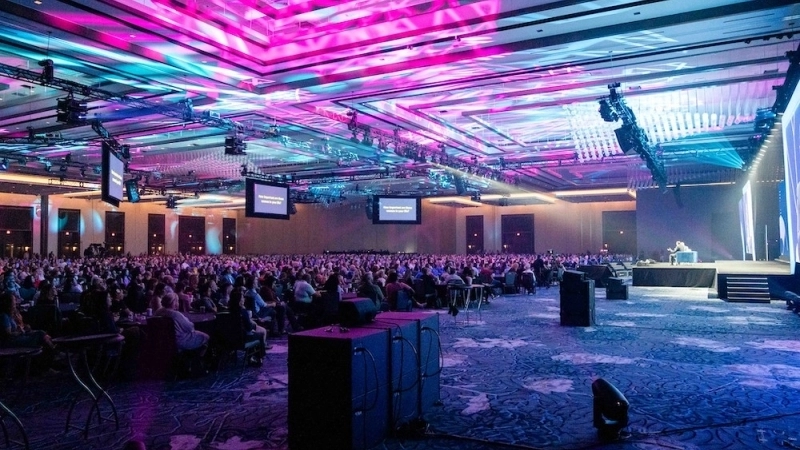
The live events and entertainment infrastructure industry covers the businesses that produce, support, and deliver real-world human experiences — event production agencies, festival operators, audio-visual and staging providers, event staffing companies, venue management businesses, ticketing and event technology platforms, and artist management and booking infrastructure. The sector has become one of the most active M&A categories in the services economy, with private equity-backed consolidators driving the majority of dealmaking and a fragmented base of founder-owned operators across every sub-segment.

Beyond cyclical demand, a structural argument supports the durability of the live experiences economy. As artificial intelligence automates information, content creation, software development, and administrative work, the abundance of digital output makes its opposite — real human connection, live experiences, community, shared moments — increasingly valuable. Categories that require physical presence and real-time human interaction cannot be automated or replicated at scale. Premium pricing for live experiences has continued to expand even as digital content prices compress.

Corporate marketing reflects the same dynamic. Brands are reallocating budget from traditional digital and broadcast advertising toward experiential and event marketing because experiential delivers measurable engagement and direct customer relationships. Younger consumers consistently demonstrate higher willingness to spend on experiences relative to physical goods. The structural reallocation of value toward human experience supports durable demand growth across the live events vertical for the next decade — and it shapes the buyer thesis driving PE and strategic acquirers.
Events Overview img
Industry Map

The eight sub-segments of live events

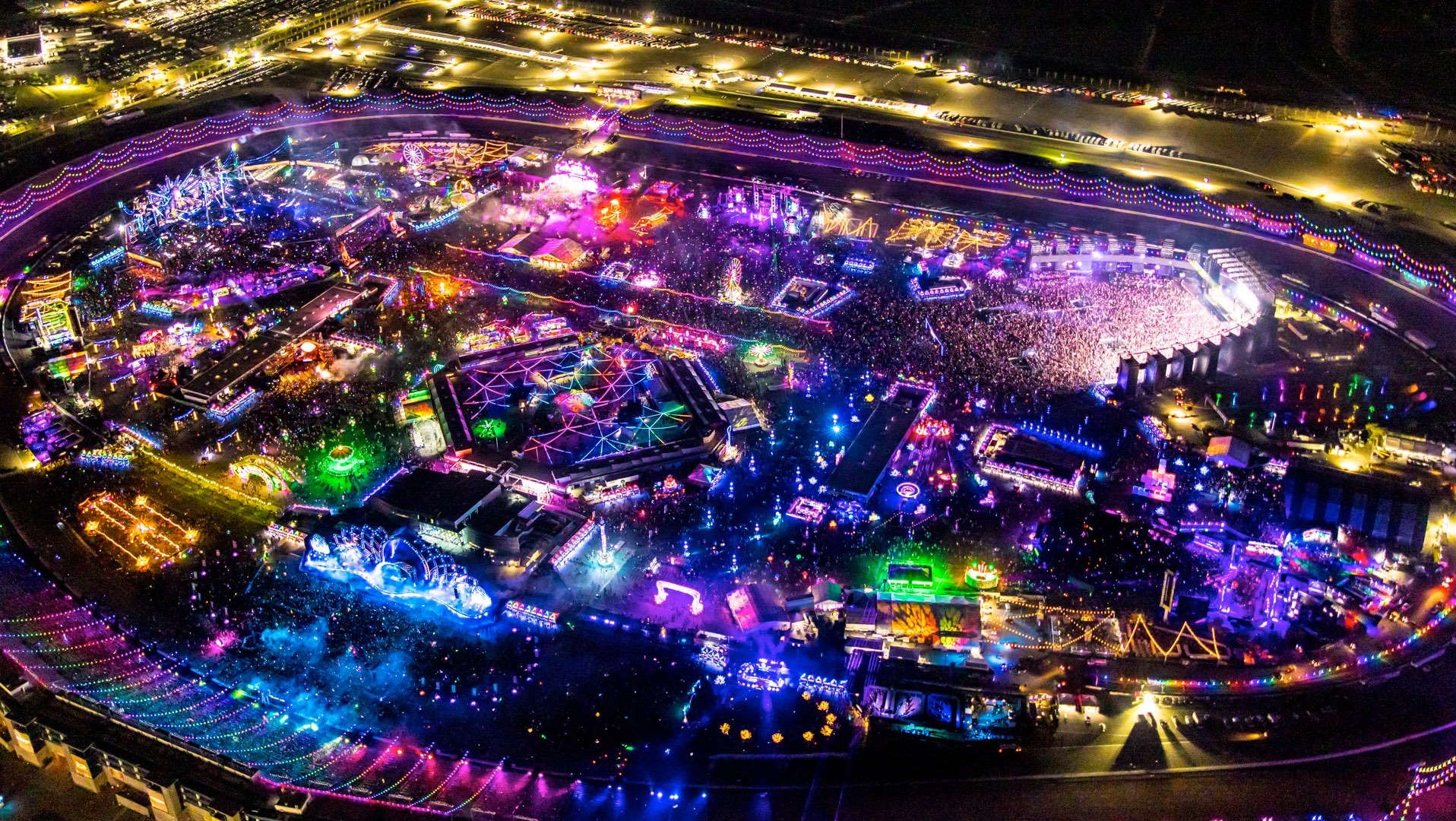
The live events industry is not one category. It is a set of distinct service businesses with materially different economics, buyer universes, and deal dynamics. Treating them as one is one of the most common mistakes founders make when evaluating their position in the market.

Event production / experiential agencies

Full-service production agencies producing corporate events, brand activations, product launches, conferences, and immersive experiences for Fortune 1000 and growth-stage brands. Revenue is project-based with significant repeat client and MSA components. Ranges from boutique creative shops to scaled national operators producing thousands of events annually.

Festival operators

Music, food & beverage, cultural, and consumer experience festivals. Revenue tied to tickets, sponsorships, F&B, merchandise, and ancillaries. Smaller festivals often net 5–10%; established festivals reach 10–25%+; marquee properties 30%+ in peak years. Artist costs can be 50%+ of total expenses for larger festivals.

Audio-visual and staging providers

AV production, staging, lighting, video, projection, and related technical services. Encore is the dominant institutional consolidator. Asset-intensive operations with equipment fleets, warehouse infrastructure, and skilled technical labor — a hybrid services-and-rental model that valuation methodology must account for.

Event staffing businesses

Production crew, brand ambassadors, hospitality, security, ushers, and specialty event personnel. Highly fragmented with significant variation in scale, specialization, and geography. Key drivers: client diversification, talent pool depth, compliance infrastructure (worker classification, wage and hour, background checks), and scheduling technology.

Venue management companies

Operators managing entertainment, sports, conference, and event venues under management agreements with municipalities, universities, hospitality companies, and real estate owners — or operating owned/leased venue portfolios. Revenue from management fees, event revenue shares, F&B, and sponsorship and naming rights.

Ticketing and event technology platforms

Software and services enabling ticket sales, registration, attendee management, on-site logistics, lead retrieval, and event measurement. Spans pure SaaS platforms (valued on recurring revenue, NRR, gross margins) and services-heavy platforms with hybrid economics. Ticketmaster sold ~650M tickets in 2025; thousands of specialty operators serve specific verticals.

Artist management and booking infrastructure

Artist management, talent booking, agency representation, tour management, and adjacent infrastructure. Highly relationship-driven with revenue from commissions, retainers, and project fees. Ranges from boutique agencies to scaled platforms; Live Nation, Endeavor, CAA, WME, and UTA operate separately from lower middle market dynamics.

Event fabrication and environments

Adjacent operators building custom event environments, exhibits, scenery, and brand-specific fabrications — often integrated with experiential agencies or standalone shops serving the agency ecosystem. Capital-intensive with shop infrastructure, skilled labor, and project-driven revenue.

2026 Environment

The Live Events M&A environment

Several structural themes shape the 2026 environment. PE consolidation is accelerating — recent industry data suggests roughly 57.5% of 2025 events sector acquisitions involved PE-backed buyers. Recent transactions illustrate the pace: Pinnacle completed its third acquisition in less than five years; Nth Degree acquired global event agency INVNT with PE backing; Range Sports acquired culture-forward event marketing and entertainment agency Superfly; major holding companies have made strategic acquisitions to build end-to-end experiential platforms.


Operational pressure is real for boutique operators. Inflation has driven up labor, equipment, and operational costs, and many event services businesses have limited ability to pass those costs through to clients. Talent shortages in production, AV, security, crew, and catering reinforce the pressure on smaller operators — and favor consolidation, as larger platforms with established recruitment, training, and career pathways have material operational advantages.


Major event cycles create demand tailwinds. The 2026 FIFA World Cup hosted across North America, the 2028 Summer Olympics in Los Angeles, ongoing major sporting event activity, and continued recovery in corporate experiential marketing spend are creating sustained demand for live experiences capability. Brands increasingly want integrated partners that handle creative strategy, production, AV and staging, fabrication, talent, and measurement under one roof — the consolidator thesis is partially about building end-to-end capability platforms. Technology and measurement matter more than ever, including hybrid and virtual event production layered onto live event services.


For founder-owned operators considering transactions in 2026, the environment is genuinely favorable but selective. Quality operators with diversified clients, recurring revenue characteristics, talent depth, and modern capability command premium attention; commoditized operators face tougher receptions.
Events sub-segments img
Valuation Framework

How live events businesses are valued

Valuation varies significantly by sub-segment, business model, and company-specific factors. Three methods appear consistently. EBITDA multiple is primary for serious M&A — SDE for owner-operated businesses under ~$1M earnings, EBITDA for $1M+ businesses. Revenue multiple is used as triangulation, most commonly for ticketing and event tech where SaaS-style metrics dominate. Asset-adjusted methodology combines an earnings multiple with separate consideration of the asset base in asset-intensive sub-segments (AV, staging, fabrication, venue ownership).

The ranges below reflect typical 2025–2026 lower middle market data. They are starting points, not conclusions — company-specific factors typically move multiples 1.0x–3.0x in either direction within any sub-segment. The size premium is real: the same business at $2M vs. $10M EBITDA typically trades 1.5x–3.0x higher at the larger scale.

Event Production / Experiential Agencies

$1M–$5M EBITDA: 4x–7x · $5M–$15M: 6x–10x · $15M+: 8x–14x+. Repeat client revenue is the most powerful driver; MSAs covering 50%+ of revenue command meaningful premiums over pure project work.

Festival Operators

$1M–$5M EBITDA: 4x–7x · $5M–$15M: 6x–10x · $15M+: 8x–14x+. IP ownership, sponsor relationships, attendance growth, and permitting position drive premiums. Owned IP trades materially higher than white-labeled/contract production.

AV & Staging Providers

$1M–$5M EBITDA: 4x–6x · $5M–$15M: 6x–9x · $15M+: 8x–12x+. Equipment fleet quality, utilization rates, venue relationships, and technical talent depth drive valuation. Asset-heavy operators are valued combining EBITDA multiple with asset replacement value.

Event Staffing

$1M–$5M EBITDA: 3x–5x · $5M–$15M: 5x–8x · $15M+: 7x–11x+. Compliance infrastructure is critical — documented worker classification, wage and hour compliance, background checks, and modern scheduling tech trade at meaningful premiums over informal operators.

Venue Management

$1M–$5M EBITDA: 5x–8x · $5M–$15M: 7x–11x · $15M+: 9x–14x+. Management agreement durability is dominant — long-term agreements (often 5–20 years with renewals) command premium multiples. F&B capability and sponsorship potential add value.

Ticketing / Event Tech (services-heavy)

$1M–$5M EBITDA: 4x–7x · $5M–$15M: 6x–10x · $15M+: 8x–13x+. Valued more like services businesses with hybrid economics — methodology depends heavily on the recurring vs. transactional revenue split.

Ticketing / Event Tech (SaaS profile)

$1M–$5M EBITDA: 6x–12x · $5M–$15M: 9x–18x · $15M+: 12x–22x+. Pure SaaS platforms with strong net revenue retention (>100%) and recurring revenue trade on technology valuation frameworks at meaningfully higher multiples.

Artist Management / Booking

$1M–$5M EBITDA: 3x–6x · $5M–$15M: 5x–9x · $15M+: 7x–12x+. Roster quality and durability are central. Vertical specialization (specific music genres, comedy, speakers, sports) supports pricing power.

Event Fabrication / Environments

$1M–$5M EBITDA: 4x–6x · $5M–$15M: 5x–9x · $15M+: 7x–11x+. Boutique operators (<$500K SDE) typically trade at 3x–4x SDE reflecting individual buyer dynamics and founder concentration.

From multiples to actual sale prices

Multiples are useful shorthand; founders care about dollars. After working capital adjustments, net debt deduction, escrow holdbacks, earnouts, transaction expenses, and tax leakage, actual cash at close typically runs 60–85% of headline enterprise value. Sophisticated process management improves this ratio.

What Drives Live Events & Entertainment Infrastructure Valuations

Key factors that determine valuation multiples in live events & entertainment infrastructure M&A.

Recurring vs. Project Revenue Mix

The single largest valuation driver. Operators with 40%+ revenue from MSAs, retainers, multi-year sponsor contracts, or annually recurring programs typically command 1.5x–3.0x EBITDA premiums over purely project-based peers.

Client Concentration

Diversified bases (no client >15–20% of revenue) support premium valuations. Top-three customers above 25% typically reduces valuation 10–30%. Concentration is particularly damaging in production and experiential agency sub-segments.

Vertical Specialization

Deep specialization (financial services, technology, automotive, hospitality, sports & entertainment, specific music genres) creates switching costs, deeper relationships, and pricing power. Specialization in growth segments can add 1.0x–2.0x to the multiple.

Talent Depth & Retention

Senior creative, production, account, and technical leadership that has stayed through multiple cycles supports premium valuations. Sub-5% key-employee turnover is the healthy median; above 10% compresses multiples meaningfully.

EBITDA Margin Quality

Margins above 20% typically support 1.0x–2.0x higher multiples in services-heavy sub-segments. Below 10% compresses multiples regardless of scale. Trajectory matters — operators showing margin expansion through scale command premiums.

Equipment & Asset Position

For AV, staging, venue, and fabrication, modern well-maintained fleets with strong utilization rates support premium pricing. Aging equipment requiring near-term capex compresses multiples. Owned real estate adds value beyond the earnings multiple.

Who Buys Live Events & Entertainment Infrastructure Businesses?

Understanding the buyer landscape is critical to positioning your company for the right outcome.

PE-Backed Experiential & Event Platforms

Private equity-backed platforms executing roll-up strategies across event production, AV, staging, festival operations, and adjacent categories — the most active acquirers across the vertical in recent years, building national or super-regional footprints to serve enterprise clients comprehensively.

Major Creative Agency Holding Companies

Publicis, WPP, Interpublic, Omnicom, Dentsu, and Stagwell acquire experiential and event capabilities to extend their broader marketing services platforms — strategic in their logic and often paying premium multiples for quality agencies that fit their platform thesis.

National AV & Staging Consolidators

Encore (formerly PSAV) is the dominant institutional consolidator in AV and staging with continued active acquisition activity. Other national and super-regional AV consolidators acquire to expand footprint and equipment capability.

Festival & Live Entertainment Platforms

Live Nation, AEG, Endeavor, and other large live entertainment platforms occasionally acquire festival properties, venue operations, and adjacent infrastructure — most relevant for larger festival brands and venue portfolios.

Trade Show & Sports/Entertainment Platforms

PE-backed trade show platforms (Emerald, CloserStill, Easyfairs, Hyve, Nineteen Group, Marketplace Events) and sports/entertainment platforms (Range Media Partners, Endeavor) actively acquire producers, event marketing, talent, and experiential capabilities.

Family Offices & Independent Sponsors

Increasingly active in live experiences acquisitions, particularly for founder-owned businesses where continuity and values-aligned ownership matter. Often more flexible on structure than institutional sponsors.

How Parkland Approaches Live Events Mandates

Where we add value — and where we don't

Parkland Capital Partners is a lower middle market M&A advisory firm building dedicated expertise across the live events and entertainment infrastructure vertical. Our approach follows the same five principles that guide every Parkland engagement: senior advisor leadership through close, confidential and targeted process, buyer universe built from scratch for each mandate, genuinely competitive process to drive value, and disciplined certainty-to-close protection.

For larger institutional events M&A — global agency networks, multi-hundred-million-dollar transactions, complex creative services groups — specialist events M&A advisors (firms like Mayfield Merger Strategies and Populate) and the major creative agency M&A bankers are typically the right call, and we will tell you that directly. Where Parkland creates value is in the lower middle market lane: founder-owned event production companies, regional experiential agencies, AV and staging operators, festival operators, venue management businesses, event staffing companies, and adjacent service businesses in the $1M–$20M EBITDA range. We work alongside specialist events M&A advisors when their execution capability is the right fit.

What We Do

Sell-side, recapitalizations, and buy-side roll-up advisory

Sell-side M&A

Full-process representation from preparation through close across event production, festivals, AV and staging, event staffing, venue management, ticketing, and artist infrastructure. This is the core of our practice.

Majority and minority recapitalizations

For founders who want significant liquidity without a full exit. Recaps let you take chips off the table while keeping meaningful equity for the next chapter alongside a PE-backed platform or strategic acquirer.

Buy-side advisory

For founders and platforms actively acquiring to consolidate a market, expand into adjacent capabilities, or accelerate scale. We run buy-side programs for operators executing roll-up strategies across the live events vertical.

Pre-process advisory

For founders 12 to 36 months out from a transaction, focused on the value drivers that move multiples in live events: client diversification, recurring revenue development, talent depth below the founder, margin expansion, and capability or vertical specialization.

Long-term client relationships across multiple transactions

We frequently work with the same clients across multiple deals over time — a buy-side roll-up program to scale, then a recapitalization or full sale years later. Or the reverse: a recap today with a roll-up strategy to follow. Our best relationships span years and several transactions because the work compounds.

Find Out What Your Live Events & Entertainment Infrastructure Company Is Worth

Get a confidential, no-obligation valuation based on current market multiples and comparable transactions.

Our Sell-Side Process

A disciplined process designed to create competitive tension, protect confidentiality, and maximize value.

Valuation & Positioning

Comprehensive valuation using live events & entertainment infrastructure-specific multiples, comparable transactions, and strategic value analysis to position your business at maximum value.

Confidential Buyer Outreach

Targeted outreach to pre-qualified buyers through our proprietary network while maintaining strict confidentiality to protect employees, clients, and competitive position.

Competitive Process & Negotiation

Rigorous buyer qualification, competitive tension creation, and expert negotiation of LOI terms including purchase price, structure, earnouts, and transition requirements.

Due Diligence & Close

Full management of the due diligence process, coo

Confidentiality

How we protect confidentiality

Confidentiality is operational, not a talking point. A premature leak to clients can trigger contract cancellations and pitch losses. A leak to creative, production, and account talent can drive attrition at the worst possible moment in a tight labor market. A leak to competitors can surface in client conversations within days. Every practice below is designed specifically to prevent those outcomes.

Blind teasers

The initial marketing document describes the business without identifying it. Revenue mix, client vertical exposure, geography, and sub-segment detail are calibrated so buyers can evaluate fit without surfacing the company name.

Named-buyer outreach only

We reach out directly to specific, pre-qualified buyers vetted for strategic fit and financial capability. We do not publish on BizBuySell or similar marketplaces, upload to buyer aggregator platforms, or run open online auctions.

Mandatory NDA before disclosure

No buyer receives company-identifying materials until they have executed an NDA. We negotiate terms with buyer counsel, including non-solicit provisions protecting against poaching of key talent, clients, or sponsor relationships if the deal does not close.

Tight executive summary, not a 100-page CIM

A sharp executive summary frames the strategic thesis, revenue economics, and numbers that matter, paired with a well-organized data room. The quality of the story and the underlying data drive bids, not page count.

Tiered information disclosure

Sensitive information is released in stages. High-level financials first; client cohort and recurring revenue detail after NDA and initial interest; deep diligence including client lists and key employee information only after LOI. Buyers earn access as the process advances.

Buyer vetting before any disclosure

We verify identity, fund or platform credentials, and track record of closing in live events specifically. Tire-kickers, competitors fishing for information, and aggregators without real capacity do not make it past the initial gate.

Client and employee communications managed last

Any communication to clients, sponsors, talent, employees, or the broader market is coordinated only after an LOI is signed, confirmatory diligence is substantially complete, and the founder has approved messaging and timing.

Culture & Legacy

The outcome that actually matters

Economics matter. They are not the only thing that matters. The best outcomes we deliver for founders are the ones where the buyer honors the legacy of the business, takes care of the creative, production, account, and operational talent who built it, and continues to serve the clients and sponsors who trust it. Live events is a relationship business at its core — both with the brands on the brief and with the talent in the trucks, on the stages, and behind the consoles. A high headline price from a buyer who guts the team or neglects client commitments is not a win. It is a transaction a founder will regret every time a former employee calls or a former client complains.


We spend real time on cultural fit. We vet buyers not just on financial capability and strategic rationale, but on how they have actually treated the businesses they have acquired in the past. We talk to management teams on the other side of the table. We advise our clients on which bidders will be good stewards and which ones will not, even when the economics say otherwise. Sometimes the right answer is not the highest offer. It is the right partner at a strong price.


We also believe the process itself should be as smooth as possible for founders trying to run their businesses at the same time. Events companies do not slow down for a sale process. Shows still load in. Clients still call. Peak season does not move. We run tight timelines, protect our clients’ calendars, manage diligence requests, and stay selective on which buyers we bring to the table. Fewer, better bidders produce better outcomes with less chaos.
Why Parkland

Built for the lower middle market live events buyer

We are a Dallas-based lower middle market M&A advisory firm building dedicated expertise across live events and entertainment infrastructure alongside our core practice areas in residential and industrial services, business services, real estate services, and property management. We have built the relationships, the buyer intelligence, and the sector fluency needed to deliver real outcomes across event production, festivals, AV and staging, event staffing, venue management, ticketing, and artist infrastructure.

Our positioning sits squarely in the lower middle market lane where founder-owned operators in the $1M–$20M EBITDA range need a senior-led, confidential, and genuinely competitive process. These are the engagements where direct relationships with the PE-backed platforms, holding companies, and strategic acquirers most actively transacting in live events materially affect outcomes.

We work within the private equity middle market and strategic operator ecosystem, not as competitors to large investment banks. That positioning is deliberate. It keeps us close to the buyers actually transacting in the lower middle market and focused on the kind of relationship-driven process that delivers real outcomes for founders.

Frequently Asked Questions

Common questions from live events & entertainment infrastructure company founders exploring a sale or recapitalization.
How much is my live events business worth?
Depends heavily on sub-segment, client base, recurring revenue mix, talent depth, capability, geographic position, and operational scalability. Owner-operated boutique businesses might sell at 3x–4x SDE. Larger operators ($1M+ EBITDA) with diversified clients, repeat revenue, deep talent, and modern capability typically trade in the 4x–10x EBITDA range depending on sub-segment. SaaS-profile ticketing and event tech platforms can trade meaningfully higher.
Live events has the characteristics PE firms look for: fragmented industry structure across every sub-segment, fairly diversified revenue with meaningful repeat-client dynamics, scalable services models, demographic and structural tailwinds, and a relationship-driven business that supports consolidation economics. The thesis has been validated repeatedly across experiential agencies, AV consolidators, trade show platforms, and related categories.
Significantly. Diversified bases (no single client above 15–20% of revenue) support premium valuations. Heavy concentration creates real revenue durability risk that buyers price heavily — top three customers above 25% typically reduces valuation 10–30%. Diversifying client concentration before going to market materially improves outcomes.
Substantially. The percentage of revenue tied to MSAs, retainers, multi-year sponsor contracts, or annually recurring programs is the single largest valuation driver across the vertical. Operators with 40%+ recurring revenue typically command premiums of 1.5x–3.0x EBITDA over comparable purely project-based operators.
For asset-intensive sub-segments (AV, staging, fabrication, venue management), fleet quality, utilization rates, and venue relationships materially affect valuation. Buyers underwrite the asset base separately from the operating earnings multiple, particularly when modern equipment commands replacement value premiums and venue agreements offer durable revenue.
Talent retention is a central concern in any event services acquisition, which is why deal structures frequently include retention agreements, earnouts tied to key personnel staying, and equity rollover for senior leadership. Managing the transition carefully and structuring the deal to align talent incentives materially affects outcomes.
Major event cycles create demand tailwinds for live experiences capability and natural inflection points for founder thinking about exits. Operators positioned to capture this demand command premium attention from buyers building scaled platforms. The honest read for any specific founder depends on their business and situation.
For most operators, the highest-leverage pre-process work is diversifying client concentration, building recurring revenue characteristics, building talent depth below the founder, optimizing operational margins, and expanding capability mix or specialization toward what buyers value. Each materially improves both the value buyers underwrite and your negotiating position.

Ready to Explore Your Options?

Whether you’re considering a full exit, partial recapitalization, or simply want to understand what your live events & entertainment infrastructure business is worth – start with a confidential conversation.